Proven Expertise
Our team brings years of experience in the digital payments industry to provide reliable services.
<?php
/*
* This file is part of the Symfony package.
*
* (c) Fabien Potencier <fabien@symfony.com> and Trevor Rowbotham <trevor.rowbotham@pm.me>
*
* For the full copyright and license information, please view the LICENSE
* file that was distributed with this source code.
*/
namespace Symfony\Polyfill\Intl\Idn;
use Symfony\Polyfill\Intl\Idn\Resources\unidata\DisallowedRanges;
use Symfony\Polyfill\Intl\Idn\Resources\unidata\Regex;
/**
* @see https://www.unicode.org/reports/tr46/
*
* @internal
*/
final class Idn
{
public const ERROR_EMPTY_LABEL = 1;
public const ERROR_LABEL_TOO_LONG = 2;
public const ERROR_DOMAIN_NAME_TOO_LONG = 4;
public const ERROR_LEADING_HYPHEN = 8;
public const ERROR_TRAILING_HYPHEN = 0x10;
public const ERROR_HYPHEN_3_4 = 0x20;
public const ERROR_LEADING_COMBINING_MARK = 0x40;
public const ERROR_DISALLOWED = 0x80;
public const ERROR_PUNYCODE = 0x100;
public const ERROR_LABEL_HAS_DOT = 0x200;
public const ERROR_INVALID_ACE_LABEL = 0x400;
public const ERROR_BIDI = 0x800;
public const ERROR_CONTEXTJ = 0x1000;
public const ERROR_CONTEXTO_PUNCTUATION = 0x2000;
public const ERROR_CONTEXTO_DIGITS = 0x4000;
public const INTL_IDNA_VARIANT_2003 = 0;
public const INTL_IDNA_VARIANT_UTS46 = 1;
public const IDNA_DEFAULT = 0;
public const IDNA_ALLOW_UNASSIGNED = 1;
public const IDNA_USE_STD3_RULES = 2;
public const IDNA_CHECK_BIDI = 4;
public const IDNA_CHECK_CONTEXTJ = 8;
public const IDNA_NONTRANSITIONAL_TO_ASCII = 16;
public const IDNA_NONTRANSITIONAL_TO_UNICODE = 32;
public const MAX_DOMAIN_SIZE = 253;
public const MAX_LABEL_SIZE = 63;
public const BASE = 36;
public const TMIN = 1;
public const TMAX = 26;
public const SKEW = 38;
public const DAMP = 700;
public const INITIAL_BIAS = 72;
public const INITIAL_N = 128;
public const DELIMITER = '-';
public const MAX_INT = 2147483647;
/**
* Contains the numeric value of a basic code point (for use in representing integers) in the
* range 0 to BASE-1, or -1 if b is does not represent a value.
*
* @var array<int, int>
*/
private static $basicToDigit = [
-1, -1, -1, -1, -1, -1, -1, -1, -1, -1, -1, -1, -1, -1, -1, -1,
-1, -1, -1, -1, -1, -1, -1, -1, -1, -1, -1, -1, -1, -1, -1, -1,
-1, -1, -1, -1, -1, -1, -1, -1, -1, -1, -1, -1, -1, -1, -1, -1,
26, 27, 28, 29, 30, 31, 32, 33, 34, 35, -1, -1, -1, -1, -1, -1,
-1, 0, 1, 2, 3, 4, 5, 6, 7, 8, 9, 10, 11, 12, 13, 14,
15, 16, 17, 18, 19, 20, 21, 22, 23, 24, 25, -1, -1, -1, -1, -1,
-1, 0, 1, 2, 3, 4, 5, 6, 7, 8, 9, 10, 11, 12, 13, 14,
15, 16, 17, 18, 19, 20, 21, 22, 23, 24, 25, -1, -1, -1, -1, -1,
-1, -1, -1, -1, -1, -1, -1, -1, -1, -1, -1, -1, -1, -1, -1, -1,
-1, -1, -1, -1, -1, -1, -1, -1, -1, -1, -1, -1, -1, -1, -1, -1,
-1, -1, -1, -1, -1, -1, -1, -1, -1, -1, -1, -1, -1, -1, -1, -1,
-1, -1, -1, -1, -1, -1, -1, -1, -1, -1, -1, -1, -1, -1, -1, -1,
-1, -1, -1, -1, -1, -1, -1, -1, -1, -1, -1, -1, -1, -1, -1, -1,
-1, -1, -1, -1, -1, -1, -1, -1, -1, -1, -1, -1, -1, -1, -1, -1,
-1, -1, -1, -1, -1, -1, -1, -1, -1, -1, -1, -1, -1, -1, -1, -1,
-1, -1, -1, -1, -1, -1, -1, -1, -1, -1, -1, -1, -1, -1, -1, -1,
];
/**
* @var array<int, int>
*/
private static $virama;
/**
* @var array<int, string>
*/
private static $mapped;
/**
* @var array<int, bool>
*/
private static $ignored;
/**
* @var array<int, string>
*/
private static $deviation;
/**
* @var array<int, bool>
*/
private static $disallowed;
/**
* @var array<int, string>
*/
private static $disallowed_STD3_mapped;
/**
* @var array<int, bool>
*/
private static $disallowed_STD3_valid;
/**
* @var bool
*/
private static $mappingTableLoaded = false;
/**
* @see https://www.unicode.org/reports/tr46/#ToASCII
*
* @param string $domainName
* @param int $options
* @param int $variant
* @param array $idna_info
*
* @return string|false
*/
public static function idn_to_ascii($domainName, $options = self::IDNA_DEFAULT, $variant = self::INTL_IDNA_VARIANT_UTS46, &$idna_info = [])
{
if (\PHP_VERSION_ID >= 70200 && self::INTL_IDNA_VARIANT_2003 === $variant) {
@trigger_error('idn_to_ascii(): INTL_IDNA_VARIANT_2003 is deprecated', \E_USER_DEPRECATED);
}
$options = [
'CheckHyphens' => true,
'CheckBidi' => self::INTL_IDNA_VARIANT_2003 === $variant || 0 !== ($options & self::IDNA_CHECK_BIDI),
'CheckJoiners' => self::INTL_IDNA_VARIANT_UTS46 === $variant && 0 !== ($options & self::IDNA_CHECK_CONTEXTJ),
'UseSTD3ASCIIRules' => 0 !== ($options & self::IDNA_USE_STD3_RULES),
'Transitional_Processing' => self::INTL_IDNA_VARIANT_2003 === $variant || 0 === ($options & self::IDNA_NONTRANSITIONAL_TO_ASCII),
'VerifyDnsLength' => true,
];
$info = new Info();
$labels = self::process((string) $domainName, $options, $info);
foreach ($labels as $i => $label) {
// Only convert labels to punycode that contain non-ASCII code points
if (1 === preg_match('/[^\x00-\x7F]/', $label)) {
try {
$label = 'xn--'.self::punycodeEncode($label);
} catch (\Exception $e) {
$info->errors |= self::ERROR_PUNYCODE;
}
$labels[$i] = $label;
}
}
if ($options['VerifyDnsLength']) {
self::validateDomainAndLabelLength($labels, $info);
}
$idna_info = [
'result' => implode('.', $labels),
'isTransitionalDifferent' => $info->transitionalDifferent,
'errors' => $info->errors,
];
return 0 === $info->errors ? $idna_info['result'] : false;
}
/**
* @see https://www.unicode.org/reports/tr46/#ToUnicode
*
* @param string $domainName
* @param int $options
* @param int $variant
* @param array $idna_info
*
* @return string|false
*/
public static function idn_to_utf8($domainName, $options = self::IDNA_DEFAULT, $variant = self::INTL_IDNA_VARIANT_UTS46, &$idna_info = [])
{
if (\PHP_VERSION_ID >= 70200 && self::INTL_IDNA_VARIANT_2003 === $variant) {
@trigger_error('idn_to_utf8(): INTL_IDNA_VARIANT_2003 is deprecated', \E_USER_DEPRECATED);
}
$info = new Info();
$labels = self::process((string) $domainName, [
'CheckHyphens' => true,
'CheckBidi' => self::INTL_IDNA_VARIANT_2003 === $variant || 0 !== ($options & self::IDNA_CHECK_BIDI),
'CheckJoiners' => self::INTL_IDNA_VARIANT_UTS46 === $variant && 0 !== ($options & self::IDNA_CHECK_CONTEXTJ),
'UseSTD3ASCIIRules' => 0 !== ($options & self::IDNA_USE_STD3_RULES),
'Transitional_Processing' => self::INTL_IDNA_VARIANT_2003 === $variant || 0 === ($options & self::IDNA_NONTRANSITIONAL_TO_UNICODE),
], $info);
$idna_info = [
'result' => implode('.', $labels),
'isTransitionalDifferent' => $info->transitionalDifferent,
'errors' => $info->errors,
];
return 0 === $info->errors ? $idna_info['result'] : false;
}
/**
* @param string $label
*
* @return bool
*/
private static function isValidContextJ(array $codePoints, $label)
{
if (!isset(self::$virama)) {
self::$virama = require __DIR__.\DIRECTORY_SEPARATOR.'Resources'.\DIRECTORY_SEPARATOR.'unidata'.\DIRECTORY_SEPARATOR.'virama.php';
}
$offset = 0;
foreach ($codePoints as $i => $codePoint) {
if (0x200C !== $codePoint && 0x200D !== $codePoint) {
continue;
}
if (!isset($codePoints[$i - 1])) {
return false;
}
// If Canonical_Combining_Class(Before(cp)) .eq. Virama Then True;
if (isset(self::$virama[$codePoints[$i - 1]])) {
continue;
}
// If RegExpMatch((Joining_Type:{L,D})(Joining_Type:T)*\u200C(Joining_Type:T)*(Joining_Type:{R,D})) Then
// True;
// Generated RegExp = ([Joining_Type:{L,D}][Joining_Type:T]*\u200C[Joining_Type:T]*)[Joining_Type:{R,D}]
if (0x200C === $codePoint && 1 === preg_match(Regex::ZWNJ, $label, $matches, \PREG_OFFSET_CAPTURE, $offset)) {
$offset += \strlen($matches[1][0]);
continue;
}
return false;
}
return true;
}
/**
* @see https://www.unicode.org/reports/tr46/#ProcessingStepMap
*
* @param string $input
* @param array<string, bool> $options
*
* @return string
*/
private static function mapCodePoints($input, array $options, Info $info)
{
$str = '';
$useSTD3ASCIIRules = $options['UseSTD3ASCIIRules'];
$transitional = $options['Transitional_Processing'];
foreach (self::utf8Decode($input) as $codePoint) {
$data = self::lookupCodePointStatus($codePoint, $useSTD3ASCIIRules);
switch ($data['status']) {
case 'disallowed':
$info->errors |= self::ERROR_DISALLOWED;
// no break.
case 'valid':
$str .= mb_chr($codePoint, 'utf-8');
break;
case 'ignored':
// Do nothing.
break;
case 'mapped':
$str .= $data['mapping'];
break;
case 'deviation':
$info->transitionalDifferent = true;
$str .= ($transitional ? $data['mapping'] : mb_chr($codePoint, 'utf-8'));
break;
}
}
return $str;
}
/**
* @see https://www.unicode.org/reports/tr46/#Processing
*
* @param string $domain
* @param array<string, bool> $options
*
* @return array<int, string>
*/
private static function process($domain, array $options, Info $info)
{
// If VerifyDnsLength is not set, we are doing ToUnicode otherwise we are doing ToASCII and
// we need to respect the VerifyDnsLength option.
$checkForEmptyLabels = !isset($options['VerifyDnsLength']) || $options['VerifyDnsLength'];
if ($checkForEmptyLabels && '' === $domain) {
$info->errors |= self::ERROR_EMPTY_LABEL;
return [$domain];
}
// Step 1. Map each code point in the domain name string
$domain = self::mapCodePoints($domain, $options, $info);
// Step 2. Normalize the domain name string to Unicode Normalization Form C.
if (!\Normalizer::isNormalized($domain, \Normalizer::FORM_C)) {
$domain = \Normalizer::normalize($domain, \Normalizer::FORM_C);
}
// Step 3. Break the string into labels at U+002E (.) FULL STOP.
$labels = explode('.', $domain);
$lastLabelIndex = \count($labels) - 1;
// Step 4. Convert and validate each label in the domain name string.
foreach ($labels as $i => $label) {
$validationOptions = $options;
if ('xn--' === substr($label, 0, 4)) {
try {
$label = self::punycodeDecode(substr($label, 4));
} catch (\Exception $e) {
$info->errors |= self::ERROR_PUNYCODE;
continue;
}
$validationOptions['Transitional_Processing'] = false;
$labels[$i] = $label;
}
self::validateLabel($label, $info, $validationOptions, $i > 0 && $i === $lastLabelIndex);
}
if ($info->bidiDomain && !$info->validBidiDomain) {
$info->errors |= self::ERROR_BIDI;
}
// Any input domain name string that does not record an error has been successfully
// processed according to this specification. Conversely, if an input domain_name string
// causes an error, then the processing of the input domain_name string fails. Determining
// what to do with error input is up to the caller, and not in the scope of this document.
return $labels;
}
/**
* @see https://tools.ietf.org/html/rfc5893#section-2
*
* @param string $label
*/
private static function validateBidiLabel($label, Info $info)
{
if (1 === preg_match(Regex::RTL_LABEL, $label)) {
$info->bidiDomain = true;
// Step 1. The first character must be a character with Bidi property L, R, or AL.
// If it has the R or AL property, it is an RTL label
if (1 !== preg_match(Regex::BIDI_STEP_1_RTL, $label)) {
$info->validBidiDomain = false;
return;
}
// Step 2. In an RTL label, only characters with the Bidi properties R, AL, AN, EN, ES,
// CS, ET, ON, BN, or NSM are allowed.
if (1 === preg_match(Regex::BIDI_STEP_2, $label)) {
$info->validBidiDomain = false;
return;
}
// Step 3. In an RTL label, the end of the label must be a character with Bidi property
// R, AL, EN, or AN, followed by zero or more characters with Bidi property NSM.
if (1 !== preg_match(Regex::BIDI_STEP_3, $label)) {
$info->validBidiDomain = false;
return;
}
// Step 4. In an RTL label, if an EN is present, no AN may be present, and vice versa.
if (1 === preg_match(Regex::BIDI_STEP_4_AN, $label) && 1 === preg_match(Regex::BIDI_STEP_4_EN, $label)) {
$info->validBidiDomain = false;
return;
}
return;
}
// We are a LTR label
// Step 1. The first character must be a character with Bidi property L, R, or AL.
// If it has the L property, it is an LTR label.
if (1 !== preg_match(Regex::BIDI_STEP_1_LTR, $label)) {
$info->validBidiDomain = false;
return;
}
// Step 5. In an LTR label, only characters with the Bidi properties L, EN,
// ES, CS, ET, ON, BN, or NSM are allowed.
if (1 === preg_match(Regex::BIDI_STEP_5, $label)) {
$info->validBidiDomain = false;
return;
}
// Step 6.In an LTR label, the end of the label must be a character with Bidi property L or
// EN, followed by zero or more characters with Bidi property NSM.
if (1 !== preg_match(Regex::BIDI_STEP_6, $label)) {
$info->validBidiDomain = false;
return;
}
}
/**
* @param array<int, string> $labels
*/
private static function validateDomainAndLabelLength(array $labels, Info $info)
{
$maxDomainSize = self::MAX_DOMAIN_SIZE;
$length = \count($labels);
// Number of "." delimiters.
$domainLength = $length - 1;
// If the last label is empty and it is not the first label, then it is the root label.
// Increase the max size by 1, making it 254, to account for the root label's "."
// delimiter. This also means we don't need to check the last label's length for being too
// long.
if ($length > 1 && '' === $labels[$length - 1]) {
++$maxDomainSize;
--$length;
}
for ($i = 0; $i < $length; ++$i) {
$bytes = \strlen($labels[$i]);
$domainLength += $bytes;
if ($bytes > self::MAX_LABEL_SIZE) {
$info->errors |= self::ERROR_LABEL_TOO_LONG;
}
}
if ($domainLength > $maxDomainSize) {
$info->errors |= self::ERROR_DOMAIN_NAME_TOO_LONG;
}
}
/**
* @see https://www.unicode.org/reports/tr46/#Validity_Criteria
*
* @param string $label
* @param array<string, bool> $options
* @param bool $canBeEmpty
*/
private static function validateLabel($label, Info $info, array $options, $canBeEmpty)
{
if ('' === $label) {
if (!$canBeEmpty && (!isset($options['VerifyDnsLength']) || $options['VerifyDnsLength'])) {
$info->errors |= self::ERROR_EMPTY_LABEL;
}
return;
}
// Step 1. The label must be in Unicode Normalization Form C.
if (!\Normalizer::isNormalized($label, \Normalizer::FORM_C)) {
$info->errors |= self::ERROR_INVALID_ACE_LABEL;
}
$codePoints = self::utf8Decode($label);
if ($options['CheckHyphens']) {
// Step 2. If CheckHyphens, the label must not contain a U+002D HYPHEN-MINUS character
// in both the thrid and fourth positions.
if (isset($codePoints[2], $codePoints[3]) && 0x002D === $codePoints[2] && 0x002D === $codePoints[3]) {
$info->errors |= self::ERROR_HYPHEN_3_4;
}
// Step 3. If CheckHyphens, the label must neither begin nor end with a U+002D
// HYPHEN-MINUS character.
if ('-' === substr($label, 0, 1)) {
$info->errors |= self::ERROR_LEADING_HYPHEN;
}
if ('-' === substr($label, -1, 1)) {
$info->errors |= self::ERROR_TRAILING_HYPHEN;
}
}
// Step 4. The label must not contain a U+002E (.) FULL STOP.
if (false !== strpos($label, '.')) {
$info->errors |= self::ERROR_LABEL_HAS_DOT;
}
// Step 5. The label must not begin with a combining mark, that is: General_Category=Mark.
if (1 === preg_match(Regex::COMBINING_MARK, $label)) {
$info->errors |= self::ERROR_LEADING_COMBINING_MARK;
}
// Step 6. Each code point in the label must only have certain status values according to
// Section 5, IDNA Mapping Table:
$transitional = $options['Transitional_Processing'];
$useSTD3ASCIIRules = $options['UseSTD3ASCIIRules'];
foreach ($codePoints as $codePoint) {
$data = self::lookupCodePointStatus($codePoint, $useSTD3ASCIIRules);
$status = $data['status'];
if ('valid' === $status || (!$transitional && 'deviation' === $status)) {
continue;
}
$info->errors |= self::ERROR_DISALLOWED;
break;
}
// Step 7. If CheckJoiners, the label must satisify the ContextJ rules from Appendix A, in
// The Unicode Code Points and Internationalized Domain Names for Applications (IDNA)
// [IDNA2008].
if ($options['CheckJoiners'] && !self::isValidContextJ($codePoints, $label)) {
$info->errors |= self::ERROR_CONTEXTJ;
}
// Step 8. If CheckBidi, and if the domain name is a Bidi domain name, then the label must
// satisfy all six of the numbered conditions in [IDNA2008] RFC 5893, Section 2.
if ($options['CheckBidi'] && (!$info->bidiDomain || $info->validBidiDomain)) {
self::validateBidiLabel($label, $info);
}
}
/**
* @see https://tools.ietf.org/html/rfc3492#section-6.2
*
* @param string $input
*
* @return string
*/
private static function punycodeDecode($input)
{
$n = self::INITIAL_N;
$out = 0;
$i = 0;
$bias = self::INITIAL_BIAS;
$lastDelimIndex = strrpos($input, self::DELIMITER);
$b = false === $lastDelimIndex ? 0 : $lastDelimIndex;
$inputLength = \strlen($input);
$output = [];
$bytes = array_map('ord', str_split($input));
for ($j = 0; $j < $b; ++$j) {
if ($bytes[$j] > 0x7F) {
throw new \Exception('Invalid input');
}
$output[$out++] = $input[$j];
}
if ($b > 0) {
++$b;
}
for ($in = $b; $in < $inputLength; ++$out) {
$oldi = $i;
$w = 1;
for ($k = self::BASE; /* no condition */; $k += self::BASE) {
if ($in >= $inputLength) {
throw new \Exception('Invalid input');
}
$digit = self::$basicToDigit[$bytes[$in++] & 0xFF];
if ($digit < 0) {
throw new \Exception('Invalid input');
}
if ($digit > intdiv(self::MAX_INT - $i, $w)) {
throw new \Exception('Integer overflow');
}
$i += $digit * $w;
if ($k <= $bias) {
$t = self::TMIN;
} elseif ($k >= $bias + self::TMAX) {
$t = self::TMAX;
} else {
$t = $k - $bias;
}
if ($digit < $t) {
break;
}
$baseMinusT = self::BASE - $t;
if ($w > intdiv(self::MAX_INT, $baseMinusT)) {
throw new \Exception('Integer overflow');
}
$w *= $baseMinusT;
}
$outPlusOne = $out + 1;
$bias = self::adaptBias($i - $oldi, $outPlusOne, 0 === $oldi);
if (intdiv($i, $outPlusOne) > self::MAX_INT - $n) {
throw new \Exception('Integer overflow');
}
$n += intdiv($i, $outPlusOne);
$i %= $outPlusOne;
array_splice($output, $i++, 0, [mb_chr($n, 'utf-8')]);
}
return implode('', $output);
}
/**
* @see https://tools.ietf.org/html/rfc3492#section-6.3
*
* @param string $input
*
* @return string
*/
private static function punycodeEncode($input)
{
$n = self::INITIAL_N;
$delta = 0;
$out = 0;
$bias = self::INITIAL_BIAS;
$inputLength = 0;
$output = '';
$iter = self::utf8Decode($input);
foreach ($iter as $codePoint) {
++$inputLength;
if ($codePoint < 0x80) {
$output .= \chr($codePoint);
++$out;
}
}
$h = $out;
$b = $out;
if ($b > 0) {
$output .= self::DELIMITER;
++$out;
}
while ($h < $inputLength) {
$m = self::MAX_INT;
foreach ($iter as $codePoint) {
if ($codePoint >= $n && $codePoint < $m) {
$m = $codePoint;
}
}
if ($m - $n > intdiv(self::MAX_INT - $delta, $h + 1)) {
throw new \Exception('Integer overflow');
}
$delta += ($m - $n) * ($h + 1);
$n = $m;
foreach ($iter as $codePoint) {
if ($codePoint < $n && 0 === ++$delta) {
throw new \Exception('Integer overflow');
}
if ($codePoint === $n) {
$q = $delta;
for ($k = self::BASE; /* no condition */; $k += self::BASE) {
if ($k <= $bias) {
$t = self::TMIN;
} elseif ($k >= $bias + self::TMAX) {
$t = self::TMAX;
} else {
$t = $k - $bias;
}
if ($q < $t) {
break;
}
$qMinusT = $q - $t;
$baseMinusT = self::BASE - $t;
$output .= self::encodeDigit($t + $qMinusT % $baseMinusT, false);
++$out;
$q = intdiv($qMinusT, $baseMinusT);
}
$output .= self::encodeDigit($q, false);
++$out;
$bias = self::adaptBias($delta, $h + 1, $h === $b);
$delta = 0;
++$h;
}
}
++$delta;
++$n;
}
return $output;
}
/**
* @see https://tools.ietf.org/html/rfc3492#section-6.1
*
* @param int $delta
* @param int $numPoints
* @param bool $firstTime
*
* @return int
*/
private static function adaptBias($delta, $numPoints, $firstTime)
{
// xxx >> 1 is a faster way of doing intdiv(xxx, 2)
$delta = $firstTime ? intdiv($delta, self::DAMP) : $delta >> 1;
$delta += intdiv($delta, $numPoints);
$k = 0;
while ($delta > ((self::BASE - self::TMIN) * self::TMAX) >> 1) {
$delta = intdiv($delta, self::BASE - self::TMIN);
$k += self::BASE;
}
return $k + intdiv((self::BASE - self::TMIN + 1) * $delta, $delta + self::SKEW);
}
/**
* @param int $d
* @param bool $flag
*
* @return string
*/
private static function encodeDigit($d, $flag)
{
return \chr($d + 22 + 75 * ($d < 26 ? 1 : 0) - (($flag ? 1 : 0) << 5));
}
/**
* Takes a UTF-8 encoded string and converts it into a series of integer code points. Any
* invalid byte sequences will be replaced by a U+FFFD replacement code point.
*
* @see https://encoding.spec.whatwg.org/#utf-8-decoder
*
* @param string $input
*
* @return array<int, int>
*/
private static function utf8Decode($input)
{
$bytesSeen = 0;
$bytesNeeded = 0;
$lowerBoundary = 0x80;
$upperBoundary = 0xBF;
$codePoint = 0;
$codePoints = [];
$length = \strlen($input);
for ($i = 0; $i < $length; ++$i) {
$byte = \ord($input[$i]);
if (0 === $bytesNeeded) {
if ($byte >= 0x00 && $byte <= 0x7F) {
$codePoints[] = $byte;
continue;
}
if ($byte >= 0xC2 && $byte <= 0xDF) {
$bytesNeeded = 1;
$codePoint = $byte & 0x1F;
} elseif ($byte >= 0xE0 && $byte <= 0xEF) {
if (0xE0 === $byte) {
$lowerBoundary = 0xA0;
} elseif (0xED === $byte) {
$upperBoundary = 0x9F;
}
$bytesNeeded = 2;
$codePoint = $byte & 0xF;
} elseif ($byte >= 0xF0 && $byte <= 0xF4) {
if (0xF0 === $byte) {
$lowerBoundary = 0x90;
} elseif (0xF4 === $byte) {
$upperBoundary = 0x8F;
}
$bytesNeeded = 3;
$codePoint = $byte & 0x7;
} else {
$codePoints[] = 0xFFFD;
}
continue;
}
if ($byte < $lowerBoundary || $byte > $upperBoundary) {
$codePoint = 0;
$bytesNeeded = 0;
$bytesSeen = 0;
$lowerBoundary = 0x80;
$upperBoundary = 0xBF;
--$i;
$codePoints[] = 0xFFFD;
continue;
}
$lowerBoundary = 0x80;
$upperBoundary = 0xBF;
$codePoint = ($codePoint << 6) | ($byte & 0x3F);
if (++$bytesSeen !== $bytesNeeded) {
continue;
}
$codePoints[] = $codePoint;
$codePoint = 0;
$bytesNeeded = 0;
$bytesSeen = 0;
}
// String unexpectedly ended, so append a U+FFFD code point.
if (0 !== $bytesNeeded) {
$codePoints[] = 0xFFFD;
}
return $codePoints;
}
/**
* @param int $codePoint
* @param bool $useSTD3ASCIIRules
*
* @return array{status: string, mapping?: string}
*/
private static function lookupCodePointStatus($codePoint, $useSTD3ASCIIRules)
{
if (!self::$mappingTableLoaded) {
self::$mappingTableLoaded = true;
self::$mapped = require __DIR__.'/Resources/unidata/mapped.php';
self::$ignored = require __DIR__.'/Resources/unidata/ignored.php';
self::$deviation = require __DIR__.'/Resources/unidata/deviation.php';
self::$disallowed = require __DIR__.'/Resources/unidata/disallowed.php';
self::$disallowed_STD3_mapped = require __DIR__.'/Resources/unidata/disallowed_STD3_mapped.php';
self::$disallowed_STD3_valid = require __DIR__.'/Resources/unidata/disallowed_STD3_valid.php';
}
if (isset(self::$mapped[$codePoint])) {
return ['status' => 'mapped', 'mapping' => self::$mapped[$codePoint]];
}
if (isset(self::$ignored[$codePoint])) {
return ['status' => 'ignored'];
}
if (isset(self::$deviation[$codePoint])) {
return ['status' => 'deviation', 'mapping' => self::$deviation[$codePoint]];
}
if (isset(self::$disallowed[$codePoint]) || DisallowedRanges::inRange($codePoint)) {
return ['status' => 'disallowed'];
}
$isDisallowedMapped = isset(self::$disallowed_STD3_mapped[$codePoint]);
if ($isDisallowedMapped || isset(self::$disallowed_STD3_valid[$codePoint])) {
$status = 'disallowed';
if (!$useSTD3ASCIIRules) {
$status = $isDisallowedMapped ? 'mapped' : 'valid';
}
if ($isDisallowedMapped) {
return ['status' => $status, 'mapping' => self::$disallowed_STD3_mapped[$codePoint]];
}
return ['status' => $status];
}
return ['status' => 'valid'];
}
}

How it Works
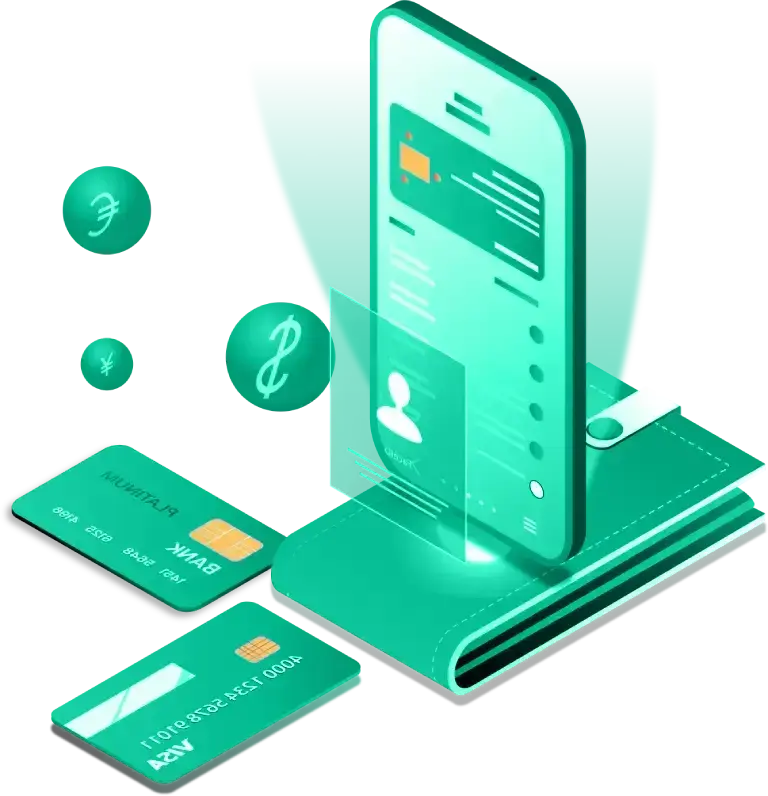
Getting started with NFC Pay is simple and quick. Register your account, add your cards, and you're ready to make payments in no time. Whether you're paying at a store, sending money to a friend, or managing your merchant transactions, NFC Pay makes it easy and secure.
Download the NFC Pay app and sign up with your email or phone number. Complete the registration process by verifying your identity, and set up your secure PIN to protect your account.
Link your debit or credit cards to your NFC Pay wallet. Simply scan your card or enter the details manually, and you’re set to load funds, shop, and pay with ease.
To pay, simply tap your phone or scan the QR code at checkout. You can also transfer money to other users with a few taps. Enjoy fast, contactless payments with top-notch security.

Security System
NFC Pay prioritizes your security with advanced features that safeguard every transaction. From SMS or email verification to end-to-end encryption, we've implemented robust measures to ensure your data is always protected. Our security systems are designed to prevent unauthorized access and provide you with a safe and reliable payment experience.

Receive instant alerts for every transaction to keep track of your account activities.

Verify your identity through our Know Your Customer process to prevent fraud and enhance security.

Dramatically supply transparent backward deliverables before caward comp internal or "organic" sources.

All your data and transactions are encrypted, ensuring that your sensitive information remains private.

Monitor unusual activity patterns to detect and prevent suspicious behavior in real-time.
Why Choice Us
With NFC Pay, you get a trusted platform backed by proven expertise and a commitment to quality. We put our customers first, offering innovative solutions tailored to your needs, ensuring every transaction is secure, swift, and seamless.
Our team brings years of experience in the digital payments industry to provide reliable services.
We prioritize excellence, ensuring that every aspect of our platform meets the highest standards.
Your needs drive our solutions, and we are dedicated to delivering a superior user experience.
We continuously evolve, integrating the latest technologies to enhance your payment experience.
Testimonial Section
Hear from our users who trust NFC Pay for their everyday transactions. Our commitment to security, ease of use, and exceptional service shines through in their experiences. See why our clients choose NFC Pay for their payment needs and how it has transformed the way they manage their finances.
"NFC Pay has made my transactions incredibly simple and secure. The intuitive interface and quick payment options are game-changers for my business"
"I love how NFC Pay prioritizes security without compromising on convenience. The two-factor authentication and instant alerts give me peace of mind every time I use it."
"Setting up my merchant account was a breeze, and now I can accept payments effortlessly. NFC Pay has truly streamlined my operations, saving me time and hassle."
App Section
Unlock the full potential of NFC Pay by downloading our app, designed to bring secure, swift, and smart transactions to your fingertips. Whether you're paying at a store, transferring money to friends, or managing your business payments, the NFC Pay app makes it effortless. Available on both iOS and Android, it's your all-in-one solution for convenient and reliable digital payments. Download now and experience the future of payments!