Proven Expertise
Our team brings years of experience in the digital payments industry to provide reliable services.
<?php
namespace Firebase\JWT;
use ArrayAccess;
use DateTime;
use DomainException;
use Exception;
use InvalidArgumentException;
use OpenSSLAsymmetricKey;
use OpenSSLCertificate;
use stdClass;
use UnexpectedValueException;
/**
* JSON Web Token implementation, based on this spec:
* https://tools.ietf.org/html/rfc7519
*
* PHP version 5
*
* @category Authentication
* @package Authentication_JWT
* @author Neuman Vong <neuman@twilio.com>
* @author Anant Narayanan <anant@php.net>
* @license http://opensource.org/licenses/BSD-3-Clause 3-clause BSD
* @link https://github.com/firebase/php-jwt
*/
class JWT
{
private const ASN1_INTEGER = 0x02;
private const ASN1_SEQUENCE = 0x10;
private const ASN1_BIT_STRING = 0x03;
/**
* When checking nbf, iat or expiration times,
* we want to provide some extra leeway time to
* account for clock skew.
*
* @var int
*/
public static $leeway = 0;
/**
* Allow the current timestamp to be specified.
* Useful for fixing a value within unit testing.
* Will default to PHP time() value if null.
*
* @var ?int
*/
public static $timestamp = null;
/**
* @var array<string, string[]>
*/
public static $supported_algs = [
'ES384' => ['openssl', 'SHA384'],
'ES256' => ['openssl', 'SHA256'],
'ES256K' => ['openssl', 'SHA256'],
'HS256' => ['hash_hmac', 'SHA256'],
'HS384' => ['hash_hmac', 'SHA384'],
'HS512' => ['hash_hmac', 'SHA512'],
'RS256' => ['openssl', 'SHA256'],
'RS384' => ['openssl', 'SHA384'],
'RS512' => ['openssl', 'SHA512'],
'EdDSA' => ['sodium_crypto', 'EdDSA'],
];
/**
* Decodes a JWT string into a PHP object.
*
* @param string $jwt The JWT
* @param Key|ArrayAccess<string,Key>|array<string,Key> $keyOrKeyArray The Key or associative array of key IDs
* (kid) to Key objects.
* If the algorithm used is asymmetric, this is
* the public key.
* Each Key object contains an algorithm and
* matching key.
* Supported algorithms are 'ES384','ES256',
* 'HS256', 'HS384', 'HS512', 'RS256', 'RS384'
* and 'RS512'.
* @param stdClass $headers Optional. Populates stdClass with headers.
*
* @return stdClass The JWT's payload as a PHP object
*
* @throws InvalidArgumentException Provided key/key-array was empty or malformed
* @throws DomainException Provided JWT is malformed
* @throws UnexpectedValueException Provided JWT was invalid
* @throws SignatureInvalidException Provided JWT was invalid because the signature verification failed
* @throws BeforeValidException Provided JWT is trying to be used before it's eligible as defined by 'nbf'
* @throws BeforeValidException Provided JWT is trying to be used before it's been created as defined by 'iat'
* @throws ExpiredException Provided JWT has since expired, as defined by the 'exp' claim
*
* @uses jsonDecode
* @uses urlsafeB64Decode
*/
public static function decode(
string $jwt,
$keyOrKeyArray,
stdClass &$headers = null
): stdClass {
// Validate JWT
$timestamp = \is_null(static::$timestamp) ? \time() : static::$timestamp;
if (empty($keyOrKeyArray)) {
throw new InvalidArgumentException('Key may not be empty');
}
$tks = \explode('.', $jwt);
if (\count($tks) !== 3) {
throw new UnexpectedValueException('Wrong number of segments');
}
list($headb64, $bodyb64, $cryptob64) = $tks;
$headerRaw = static::urlsafeB64Decode($headb64);
if (null === ($header = static::jsonDecode($headerRaw))) {
throw new UnexpectedValueException('Invalid header encoding');
}
if ($headers !== null) {
$headers = $header;
}
$payloadRaw = static::urlsafeB64Decode($bodyb64);
if (null === ($payload = static::jsonDecode($payloadRaw))) {
throw new UnexpectedValueException('Invalid claims encoding');
}
if (\is_array($payload)) {
// prevent PHP Fatal Error in edge-cases when payload is empty array
$payload = (object) $payload;
}
if (!$payload instanceof stdClass) {
throw new UnexpectedValueException('Payload must be a JSON object');
}
$sig = static::urlsafeB64Decode($cryptob64);
if (empty($header->alg)) {
throw new UnexpectedValueException('Empty algorithm');
}
if (empty(static::$supported_algs[$header->alg])) {
throw new UnexpectedValueException('Algorithm not supported');
}
$key = self::getKey($keyOrKeyArray, property_exists($header, 'kid') ? $header->kid : null);
// Check the algorithm
if (!self::constantTimeEquals($key->getAlgorithm(), $header->alg)) {
// See issue #351
throw new UnexpectedValueException('Incorrect key for this algorithm');
}
if (\in_array($header->alg, ['ES256', 'ES256K', 'ES384'], true)) {
// OpenSSL expects an ASN.1 DER sequence for ES256/ES256K/ES384 signatures
$sig = self::signatureToDER($sig);
}
if (!self::verify("{$headb64}.{$bodyb64}", $sig, $key->getKeyMaterial(), $header->alg)) {
throw new SignatureInvalidException('Signature verification failed');
}
// Check the nbf if it is defined. This is the time that the
// token can actually be used. If it's not yet that time, abort.
if (isset($payload->nbf) && floor($payload->nbf) > ($timestamp + static::$leeway)) {
$ex = new BeforeValidException(
'Cannot handle token with nbf prior to ' . \date(DateTime::ISO8601, (int) $payload->nbf)
);
$ex->setPayload($payload);
throw $ex;
}
// Check that this token has been created before 'now'. This prevents
// using tokens that have been created for later use (and haven't
// correctly used the nbf claim).
if (!isset($payload->nbf) && isset($payload->iat) && floor($payload->iat) > ($timestamp + static::$leeway)) {
$ex = new BeforeValidException(
'Cannot handle token with iat prior to ' . \date(DateTime::ISO8601, (int) $payload->iat)
);
$ex->setPayload($payload);
throw $ex;
}
// Check if this token has expired.
if (isset($payload->exp) && ($timestamp - static::$leeway) >= $payload->exp) {
$ex = new ExpiredException('Expired token');
$ex->setPayload($payload);
throw $ex;
}
return $payload;
}
/**
* Converts and signs a PHP array into a JWT string.
*
* @param array<mixed> $payload PHP array
* @param string|resource|OpenSSLAsymmetricKey|OpenSSLCertificate $key The secret key.
* @param string $alg Supported algorithms are 'ES384','ES256', 'ES256K', 'HS256',
* 'HS384', 'HS512', 'RS256', 'RS384', and 'RS512'
* @param string $keyId
* @param array<string, string> $head An array with header elements to attach
*
* @return string A signed JWT
*
* @uses jsonEncode
* @uses urlsafeB64Encode
*/
public static function encode(
array $payload,
$key,
string $alg,
string $keyId = null,
array $head = null
): string {
$header = ['typ' => 'JWT'];
if (isset($head) && \is_array($head)) {
$header = \array_merge($header, $head);
}
$header['alg'] = $alg;
if ($keyId !== null) {
$header['kid'] = $keyId;
}
$segments = [];
$segments[] = static::urlsafeB64Encode((string) static::jsonEncode($header));
$segments[] = static::urlsafeB64Encode((string) static::jsonEncode($payload));
$signing_input = \implode('.', $segments);
$signature = static::sign($signing_input, $key, $alg);
$segments[] = static::urlsafeB64Encode($signature);
return \implode('.', $segments);
}
/**
* Sign a string with a given key and algorithm.
*
* @param string $msg The message to sign
* @param string|resource|OpenSSLAsymmetricKey|OpenSSLCertificate $key The secret key.
* @param string $alg Supported algorithms are 'EdDSA', 'ES384', 'ES256', 'ES256K', 'HS256',
* 'HS384', 'HS512', 'RS256', 'RS384', and 'RS512'
*
* @return string An encrypted message
*
* @throws DomainException Unsupported algorithm or bad key was specified
*/
public static function sign(
string $msg,
$key,
string $alg
): string {
if (empty(static::$supported_algs[$alg])) {
throw new DomainException('Algorithm not supported');
}
list($function, $algorithm) = static::$supported_algs[$alg];
switch ($function) {
case 'hash_hmac':
if (!\is_string($key)) {
throw new InvalidArgumentException('key must be a string when using hmac');
}
return \hash_hmac($algorithm, $msg, $key, true);
case 'openssl':
$signature = '';
$success = \openssl_sign($msg, $signature, $key, $algorithm); // @phpstan-ignore-line
if (!$success) {
throw new DomainException('OpenSSL unable to sign data');
}
if ($alg === 'ES256' || $alg === 'ES256K') {
$signature = self::signatureFromDER($signature, 256);
} elseif ($alg === 'ES384') {
$signature = self::signatureFromDER($signature, 384);
}
return $signature;
case 'sodium_crypto':
if (!\function_exists('sodium_crypto_sign_detached')) {
throw new DomainException('libsodium is not available');
}
if (!\is_string($key)) {
throw new InvalidArgumentException('key must be a string when using EdDSA');
}
try {
// The last non-empty line is used as the key.
$lines = array_filter(explode("\n", $key));
$key = base64_decode((string) end($lines));
if (\strlen($key) === 0) {
throw new DomainException('Key cannot be empty string');
}
return sodium_crypto_sign_detached($msg, $key);
} catch (Exception $e) {
throw new DomainException($e->getMessage(), 0, $e);
}
}
throw new DomainException('Algorithm not supported');
}
/**
* Verify a signature with the message, key and method. Not all methods
* are symmetric, so we must have a separate verify and sign method.
*
* @param string $msg The original message (header and body)
* @param string $signature The original signature
* @param string|resource|OpenSSLAsymmetricKey|OpenSSLCertificate $keyMaterial For Ed*, ES*, HS*, a string key works. for RS*, must be an instance of OpenSSLAsymmetricKey
* @param string $alg The algorithm
*
* @return bool
*
* @throws DomainException Invalid Algorithm, bad key, or OpenSSL failure
*/
private static function verify(
string $msg,
string $signature,
$keyMaterial,
string $alg
): bool {
if (empty(static::$supported_algs[$alg])) {
throw new DomainException('Algorithm not supported');
}
list($function, $algorithm) = static::$supported_algs[$alg];
switch ($function) {
case 'openssl':
$success = \openssl_verify($msg, $signature, $keyMaterial, $algorithm); // @phpstan-ignore-line
if ($success === 1) {
return true;
}
if ($success === 0) {
return false;
}
// returns 1 on success, 0 on failure, -1 on error.
throw new DomainException(
'OpenSSL error: ' . \openssl_error_string()
);
case 'sodium_crypto':
if (!\function_exists('sodium_crypto_sign_verify_detached')) {
throw new DomainException('libsodium is not available');
}
if (!\is_string($keyMaterial)) {
throw new InvalidArgumentException('key must be a string when using EdDSA');
}
try {
// The last non-empty line is used as the key.
$lines = array_filter(explode("\n", $keyMaterial));
$key = base64_decode((string) end($lines));
if (\strlen($key) === 0) {
throw new DomainException('Key cannot be empty string');
}
if (\strlen($signature) === 0) {
throw new DomainException('Signature cannot be empty string');
}
return sodium_crypto_sign_verify_detached($signature, $msg, $key);
} catch (Exception $e) {
throw new DomainException($e->getMessage(), 0, $e);
}
case 'hash_hmac':
default:
if (!\is_string($keyMaterial)) {
throw new InvalidArgumentException('key must be a string when using hmac');
}
$hash = \hash_hmac($algorithm, $msg, $keyMaterial, true);
return self::constantTimeEquals($hash, $signature);
}
}
/**
* Decode a JSON string into a PHP object.
*
* @param string $input JSON string
*
* @return mixed The decoded JSON string
*
* @throws DomainException Provided string was invalid JSON
*/
public static function jsonDecode(string $input)
{
$obj = \json_decode($input, false, 512, JSON_BIGINT_AS_STRING);
if ($errno = \json_last_error()) {
self::handleJsonError($errno);
} elseif ($obj === null && $input !== 'null') {
throw new DomainException('Null result with non-null input');
}
return $obj;
}
/**
* Encode a PHP array into a JSON string.
*
* @param array<mixed> $input A PHP array
*
* @return string JSON representation of the PHP array
*
* @throws DomainException Provided object could not be encoded to valid JSON
*/
public static function jsonEncode(array $input): string
{
if (PHP_VERSION_ID >= 50400) {
$json = \json_encode($input, \JSON_UNESCAPED_SLASHES);
} else {
// PHP 5.3 only
$json = \json_encode($input);
}
if ($errno = \json_last_error()) {
self::handleJsonError($errno);
} elseif ($json === 'null') {
throw new DomainException('Null result with non-null input');
}
if ($json === false) {
throw new DomainException('Provided object could not be encoded to valid JSON');
}
return $json;
}
/**
* Decode a string with URL-safe Base64.
*
* @param string $input A Base64 encoded string
*
* @return string A decoded string
*
* @throws InvalidArgumentException invalid base64 characters
*/
public static function urlsafeB64Decode(string $input): string
{
return \base64_decode(self::convertBase64UrlToBase64($input));
}
/**
* Convert a string in the base64url (URL-safe Base64) encoding to standard base64.
*
* @param string $input A Base64 encoded string with URL-safe characters (-_ and no padding)
*
* @return string A Base64 encoded string with standard characters (+/) and padding (=), when
* needed.
*
* @see https://www.rfc-editor.org/rfc/rfc4648
*/
public static function convertBase64UrlToBase64(string $input): string
{
$remainder = \strlen($input) % 4;
if ($remainder) {
$padlen = 4 - $remainder;
$input .= \str_repeat('=', $padlen);
}
return \strtr($input, '-_', '+/');
}
/**
* Encode a string with URL-safe Base64.
*
* @param string $input The string you want encoded
*
* @return string The base64 encode of what you passed in
*/
public static function urlsafeB64Encode(string $input): string
{
return \str_replace('=', '', \strtr(\base64_encode($input), '+/', '-_'));
}
/**
* Determine if an algorithm has been provided for each Key
*
* @param Key|ArrayAccess<string,Key>|array<string,Key> $keyOrKeyArray
* @param string|null $kid
*
* @throws UnexpectedValueException
*
* @return Key
*/
private static function getKey(
$keyOrKeyArray,
?string $kid
): Key {
if ($keyOrKeyArray instanceof Key) {
return $keyOrKeyArray;
}
if (empty($kid) && $kid !== '0') {
throw new UnexpectedValueException('"kid" empty, unable to lookup correct key');
}
if ($keyOrKeyArray instanceof CachedKeySet) {
// Skip "isset" check, as this will automatically refresh if not set
return $keyOrKeyArray[$kid];
}
if (!isset($keyOrKeyArray[$kid])) {
throw new UnexpectedValueException('"kid" invalid, unable to lookup correct key');
}
return $keyOrKeyArray[$kid];
}
/**
* @param string $left The string of known length to compare against
* @param string $right The user-supplied string
* @return bool
*/
public static function constantTimeEquals(string $left, string $right): bool
{
if (\function_exists('hash_equals')) {
return \hash_equals($left, $right);
}
$len = \min(self::safeStrlen($left), self::safeStrlen($right));
$status = 0;
for ($i = 0; $i < $len; $i++) {
$status |= (\ord($left[$i]) ^ \ord($right[$i]));
}
$status |= (self::safeStrlen($left) ^ self::safeStrlen($right));
return ($status === 0);
}
/**
* Helper method to create a JSON error.
*
* @param int $errno An error number from json_last_error()
*
* @throws DomainException
*
* @return void
*/
private static function handleJsonError(int $errno): void
{
$messages = [
JSON_ERROR_DEPTH => 'Maximum stack depth exceeded',
JSON_ERROR_STATE_MISMATCH => 'Invalid or malformed JSON',
JSON_ERROR_CTRL_CHAR => 'Unexpected control character found',
JSON_ERROR_SYNTAX => 'Syntax error, malformed JSON',
JSON_ERROR_UTF8 => 'Malformed UTF-8 characters' //PHP >= 5.3.3
];
throw new DomainException(
isset($messages[$errno])
? $messages[$errno]
: 'Unknown JSON error: ' . $errno
);
}
/**
* Get the number of bytes in cryptographic strings.
*
* @param string $str
*
* @return int
*/
private static function safeStrlen(string $str): int
{
if (\function_exists('mb_strlen')) {
return \mb_strlen($str, '8bit');
}
return \strlen($str);
}
/**
* Convert an ECDSA signature to an ASN.1 DER sequence
*
* @param string $sig The ECDSA signature to convert
* @return string The encoded DER object
*/
private static function signatureToDER(string $sig): string
{
// Separate the signature into r-value and s-value
$length = max(1, (int) (\strlen($sig) / 2));
list($r, $s) = \str_split($sig, $length);
// Trim leading zeros
$r = \ltrim($r, "\x00");
$s = \ltrim($s, "\x00");
// Convert r-value and s-value from unsigned big-endian integers to
// signed two's complement
if (\ord($r[0]) > 0x7f) {
$r = "\x00" . $r;
}
if (\ord($s[0]) > 0x7f) {
$s = "\x00" . $s;
}
return self::encodeDER(
self::ASN1_SEQUENCE,
self::encodeDER(self::ASN1_INTEGER, $r) .
self::encodeDER(self::ASN1_INTEGER, $s)
);
}
/**
* Encodes a value into a DER object.
*
* @param int $type DER tag
* @param string $value the value to encode
*
* @return string the encoded object
*/
private static function encodeDER(int $type, string $value): string
{
$tag_header = 0;
if ($type === self::ASN1_SEQUENCE) {
$tag_header |= 0x20;
}
// Type
$der = \chr($tag_header | $type);
// Length
$der .= \chr(\strlen($value));
return $der . $value;
}
/**
* Encodes signature from a DER object.
*
* @param string $der binary signature in DER format
* @param int $keySize the number of bits in the key
*
* @return string the signature
*/
private static function signatureFromDER(string $der, int $keySize): string
{
// OpenSSL returns the ECDSA signatures as a binary ASN.1 DER SEQUENCE
list($offset, $_) = self::readDER($der);
list($offset, $r) = self::readDER($der, $offset);
list($offset, $s) = self::readDER($der, $offset);
// Convert r-value and s-value from signed two's compliment to unsigned
// big-endian integers
$r = \ltrim($r, "\x00");
$s = \ltrim($s, "\x00");
// Pad out r and s so that they are $keySize bits long
$r = \str_pad($r, $keySize / 8, "\x00", STR_PAD_LEFT);
$s = \str_pad($s, $keySize / 8, "\x00", STR_PAD_LEFT);
return $r . $s;
}
/**
* Reads binary DER-encoded data and decodes into a single object
*
* @param string $der the binary data in DER format
* @param int $offset the offset of the data stream containing the object
* to decode
*
* @return array{int, string|null} the new offset and the decoded object
*/
private static function readDER(string $der, int $offset = 0): array
{
$pos = $offset;
$size = \strlen($der);
$constructed = (\ord($der[$pos]) >> 5) & 0x01;
$type = \ord($der[$pos++]) & 0x1f;
// Length
$len = \ord($der[$pos++]);
if ($len & 0x80) {
$n = $len & 0x1f;
$len = 0;
while ($n-- && $pos < $size) {
$len = ($len << 8) | \ord($der[$pos++]);
}
}
// Value
if ($type === self::ASN1_BIT_STRING) {
$pos++; // Skip the first contents octet (padding indicator)
$data = \substr($der, $pos, $len - 1);
$pos += $len - 1;
} elseif (!$constructed) {
$data = \substr($der, $pos, $len);
$pos += $len;
} else {
$data = null;
}
return [$pos, $data];
}
}

How it Works
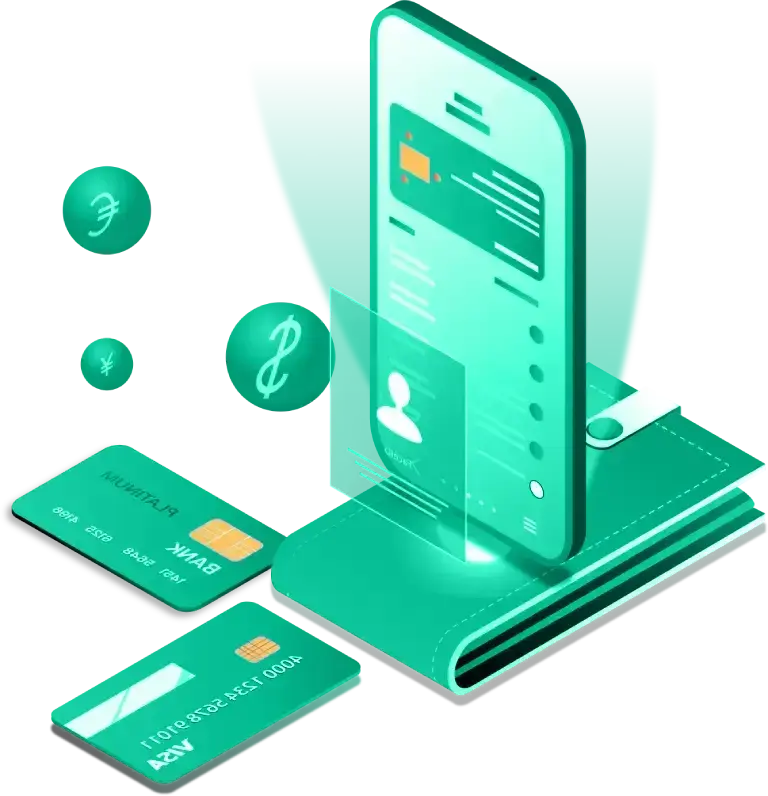
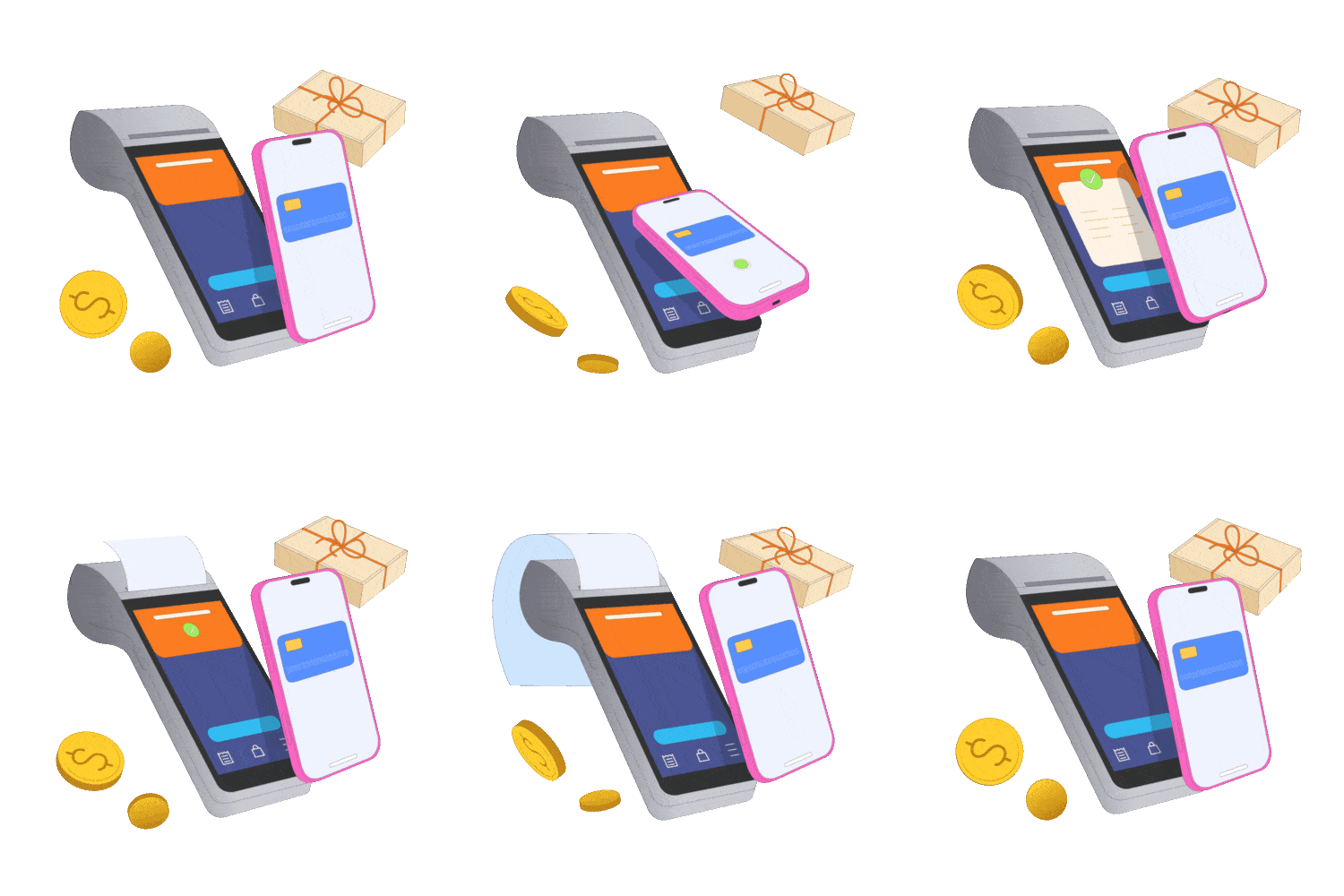
Getting started with NFC Pay is simple and quick. Register your account, add your cards, and you're ready to make payments in no time. Whether you're paying at a store, sending money to a friend, or managing your merchant transactions, NFC Pay makes it easy and secure.
Download the NFC Pay app and sign up with your email or phone number. Complete the registration process by verifying your identity, and set up your secure PIN to protect your account.
Link your debit or credit cards to your NFC Pay wallet. Simply scan your card or enter the details manually, and you’re set to load funds, shop, and pay with ease.
To pay, simply tap your phone or scan the QR code at checkout. You can also transfer money to other users with a few taps. Enjoy fast, contactless payments with top-notch security.
Security System
NFC Pay prioritizes your security with advanced features that safeguard every transaction. From SMS or email verification to end-to-end encryption, we've implemented robust measures to ensure your data is always protected. Our security systems are designed to prevent unauthorized access and provide you with a safe and reliable payment experience.

Receive instant alerts for every transaction to keep track of your account activities.
Verify your identity through our Know Your Customer process to prevent fraud and enhance security.

Dramatically supply transparent backward deliverables before caward comp internal or "organic" sources.

All your data and transactions are encrypted, ensuring that your sensitive information remains private.

Monitor unusual activity patterns to detect and prevent suspicious behavior in real-time.
Why Choice Us
With NFC Pay, you get a trusted platform backed by proven expertise and a commitment to quality. We put our customers first, offering innovative solutions tailored to your needs, ensuring every transaction is secure, swift, and seamless.
Our team brings years of experience in the digital payments industry to provide reliable services.
We prioritize excellence, ensuring that every aspect of our platform meets the highest standards.
Your needs drive our solutions, and we are dedicated to delivering a superior user experience.
We continuously evolve, integrating the latest technologies to enhance your payment experience.
Testimonial Section
Hear from our users who trust NFC Pay for their everyday transactions. Our commitment to security, ease of use, and exceptional service shines through in their experiences. See why our clients choose NFC Pay for their payment needs and how it has transformed the way they manage their finances.
"NFC Pay has made my transactions incredibly simple and secure. The intuitive interface and quick payment options are game-changers for my business"
"I love how NFC Pay prioritizes security without compromising on convenience. The two-factor authentication and instant alerts give me peace of mind every time I use it."
"Setting up my merchant account was a breeze, and now I can accept payments effortlessly. NFC Pay has truly streamlined my operations, saving me time and hassle."
App Section
Unlock the full potential of NFC Pay by downloading our app, designed to bring secure, swift, and smart transactions to your fingertips. Whether you're paying at a store, transferring money to friends, or managing your business payments, the NFC Pay app makes it effortless. Available on both iOS and Android, it's your all-in-one solution for convenient and reliable digital payments. Download now and experience the future of payments!