<?php

namespace Illuminate\Http\Client;

use Closure;
use GuzzleHttp\Promise\PromiseInterface;
use GuzzleHttp\Psr7\Response as Psr7Response;
use GuzzleHttp\TransferStats;
use Illuminate\Contracts\Events\Dispatcher;
use Illuminate\Support\Str;
use Illuminate\Support\Traits\Macroable;
use PHPUnit\Framework\Assert as PHPUnit;

/**
 * @mixin \Illuminate\Http\Client\PendingRequest
 */
class Factory
{
    use Macroable {
        __call as macroCall;
    }

    /**
     * The event dispatcher implementation.
     *
     * @var \Illuminate\Contracts\Events\Dispatcher|null
     */
    protected $dispatcher;

    /**
     * The stub callables that will handle requests.
     *
     * @var \Illuminate\Support\Collection
     */
    protected $stubCallbacks;

    /**
     * Indicates if the factory is recording requests and responses.
     *
     * @var bool
     */
    protected $recording = false;

    /**
     * The recorded response array.
     *
     * @var array
     */
    protected $recorded = [];

    /**
     * All created response sequences.
     *
     * @var array
     */
    protected $responseSequences = [];

    /**
     * Indicates that an exception should be thrown if any request is not faked.
     *
     * @var bool
     */
    protected $preventStrayRequests = false;

    /**
     * Create a new factory instance.
     *
     * @param  \Illuminate\Contracts\Events\Dispatcher|null  $dispatcher
     * @return void
     */
    public function __construct(Dispatcher $dispatcher = null)
    {
        $this->dispatcher = $dispatcher;

        $this->stubCallbacks = collect();
    }

    /**
     * Create a new response instance for use during stubbing.
     *
     * @param  array|string|null  $body
     * @param  int  $status
     * @param  array  $headers
     * @return \GuzzleHttp\Promise\PromiseInterface
     */
    public static function response($body = null, $status = 200, $headers = [])
    {
        if (is_array($body)) {
            $body = json_encode($body);

            $headers['Content-Type'] = 'application/json';
        }

        $response = new Psr7Response($status, $headers, $body);

        return class_exists(\GuzzleHttp\Promise\Create::class)
            ? \GuzzleHttp\Promise\Create::promiseFor($response)
            : \GuzzleHttp\Promise\promise_for($response);
    }

    /**
     * Get an invokable object that returns a sequence of responses in order for use during stubbing.
     *
     * @param  array  $responses
     * @return \Illuminate\Http\Client\ResponseSequence
     */
    public function sequence(array $responses = [])
    {
        return $this->responseSequences[] = new ResponseSequence($responses);
    }

    /**
     * Register a stub callable that will intercept requests and be able to return stub responses.
     *
     * @param  callable|array|null  $callback
     * @return $this
     */
    public function fake($callback = null)
    {
        $this->record();

        $this->recorded = [];

        if (is_null($callback)) {
            $callback = function () {
                return static::response();
            };
        }

        if (is_array($callback)) {
            foreach ($callback as $url => $callable) {
                $this->stubUrl($url, $callable);
            }

            return $this;
        }

        $this->stubCallbacks = $this->stubCallbacks->merge(collect([
            function ($request, $options) use ($callback) {
                $response = $callback instanceof Closure
                                ? $callback($request, $options)
                                : $callback;

                if ($response instanceof PromiseInterface) {
                    $options['on_stats'](new TransferStats(
                        $request->toPsrRequest(),
                        $response->wait(),
                    ));
                }

                return $response;
            },
        ]));

        return $this;
    }

    /**
     * Register a response sequence for the given URL pattern.
     *
     * @param  string  $url
     * @return \Illuminate\Http\Client\ResponseSequence
     */
    public function fakeSequence($url = '*')
    {
        return tap($this->sequence(), function ($sequence) use ($url) {
            $this->fake([$url => $sequence]);
        });
    }

    /**
     * Stub the given URL using the given callback.
     *
     * @param  string  $url
     * @param  \Illuminate\Http\Client\Response|\GuzzleHttp\Promise\PromiseInterface|callable  $callback
     * @return $this
     */
    public function stubUrl($url, $callback)
    {
        return $this->fake(function ($request, $options) use ($url, $callback) {
            if (! Str::is(Str::start($url, '*'), $request->url())) {
                return;
            }

            return $callback instanceof Closure || $callback instanceof ResponseSequence
                        ? $callback($request, $options)
                        : $callback;
        });
    }

    /**
     * Indicate that an exception should be thrown if any request is not faked.
     *
     * @param  bool  $prevent
     * @return $this
     */
    public function preventStrayRequests($prevent = true)
    {
        $this->preventStrayRequests = $prevent;

        return $this;
    }

    /**
     * Indicate that an exception should not be thrown if any request is not faked.
     *
     * @return $this
     */
    public function allowStrayRequests()
    {
        return $this->preventStrayRequests(false);
    }

    /**
     * Begin recording request / response pairs.
     *
     * @return $this
     */
    protected function record()
    {
        $this->recording = true;

        return $this;
    }

    /**
     * Record a request response pair.
     *
     * @param  \Illuminate\Http\Client\Request  $request
     * @param  \Illuminate\Http\Client\Response  $response
     * @return void
     */
    public function recordRequestResponsePair($request, $response)
    {
        if ($this->recording) {
            $this->recorded[] = [$request, $response];
        }
    }

    /**
     * Assert that a request / response pair was recorded matching a given truth test.
     *
     * @param  callable  $callback
     * @return void
     */
    public function assertSent($callback)
    {
        PHPUnit::assertTrue(
            $this->recorded($callback)->count() > 0,
            'An expected request was not recorded.'
        );
    }

    /**
     * Assert that the given request was sent in the given order.
     *
     * @param  array  $callbacks
     * @return void
     */
    public function assertSentInOrder($callbacks)
    {
        $this->assertSentCount(count($callbacks));

        foreach ($callbacks as $index => $url) {
            $callback = is_callable($url) ? $url : function ($request) use ($url) {
                return $request->url() == $url;
            };

            PHPUnit::assertTrue($callback(
                $this->recorded[$index][0],
                $this->recorded[$index][1]
            ), 'An expected request (#'.($index + 1).') was not recorded.');
        }
    }

    /**
     * Assert that a request / response pair was not recorded matching a given truth test.
     *
     * @param  callable  $callback
     * @return void
     */
    public function assertNotSent($callback)
    {
        PHPUnit::assertFalse(
            $this->recorded($callback)->count() > 0,
            'Unexpected request was recorded.'
        );
    }

    /**
     * Assert that no request / response pair was recorded.
     *
     * @return void
     */
    public function assertNothingSent()
    {
        PHPUnit::assertEmpty(
            $this->recorded,
            'Requests were recorded.'
        );
    }

    /**
     * Assert how many requests have been recorded.
     *
     * @param  int  $count
     * @return void
     */
    public function assertSentCount($count)
    {
        PHPUnit::assertCount($count, $this->recorded);
    }

    /**
     * Assert that every created response sequence is empty.
     *
     * @return void
     */
    public function assertSequencesAreEmpty()
    {
        foreach ($this->responseSequences as $responseSequence) {
            PHPUnit::assertTrue(
                $responseSequence->isEmpty(),
                'Not all response sequences are empty.'
            );
        }
    }

    /**
     * Get a collection of the request / response pairs matching the given truth test.
     *
     * @param  callable  $callback
     * @return \Illuminate\Support\Collection
     */
    public function recorded($callback = null)
    {
        if (empty($this->recorded)) {
            return collect();
        }

        $callback = $callback ?: function () {
            return true;
        };

        return collect($this->recorded)->filter(function ($pair) use ($callback) {
            return $callback($pair[0], $pair[1]);
        });
    }

    /**
     * Create a new pending request instance for this factory.
     *
     * @return \Illuminate\Http\Client\PendingRequest
     */
    protected function newPendingRequest()
    {
        return new PendingRequest($this);
    }

    /**
     * Get the current event dispatcher implementation.
     *
     * @return \Illuminate\Contracts\Events\Dispatcher|null
     */
    public function getDispatcher()
    {
        return $this->dispatcher;
    }

    /**
     * Execute a method against a new pending request instance.
     *
     * @param  string  $method
     * @param  array  $parameters
     * @return mixed
     */
    public function __call($method, $parameters)
    {
        if (static::hasMacro($method)) {
            return $this->macroCall($method, $parameters);
        }

        return tap($this->newPendingRequest(), function ($request) {
            $request->stub($this->stubCallbacks)->preventStrayRequests($this->preventStrayRequests);
        })->{$method}(...$parameters);
    }
}
Simple Steps to Complete Your Payment Securely and Efficiently
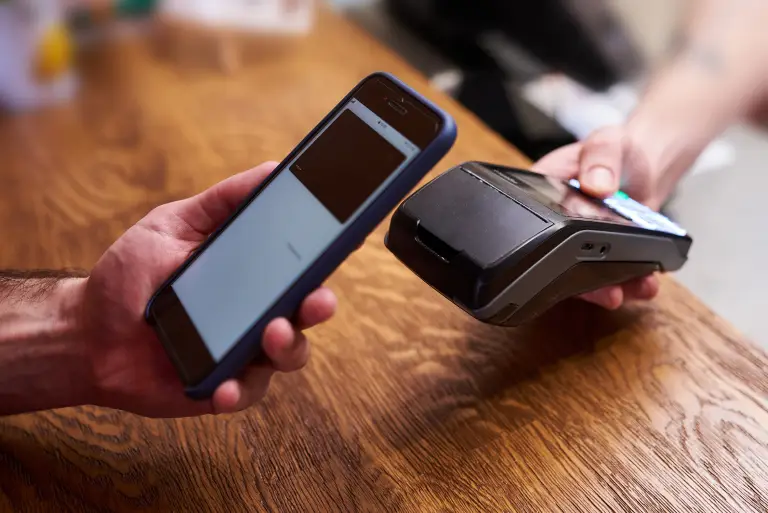
Making a payment on our website is quick and secure. Start by logging in or creating an account. Select your preferred payment method, input the required details, and review the information. Once you confirm everything is correct, click on the "Submit Payment" button. You’ll receive instant confirmation and can track your payment status through your account dashboard. It’s an easy and secure process.
Go to the Payment Section: Access the payment area on our website or app.
Choose Your Payment Method: Select your preferred payment option.
Enter Payment Details: Provide the necessary payment information.
Verify Your Information: Check that all details are correct.
Confirm Your Payment: Click "Submit Payment" to complete the transaction.
In the digital age, privacy concerns have become increasingly paramount, prompting the European Union to enact the General Data Protection Regulation (GDPR) in 2018. Among its many provisions, GDPR sets strict guidelines for the collection and processing of personal data, including the use of cookies on websites. Privacy Policy