

/home/kueuepay/public_html/vendor/symfony/http-foundation/HeaderBag.php
<?php

/*
 * This file is part of the Symfony package.
 *
 * (c) Fabien Potencier <fabien@symfony.com>
 *
 * For the full copyright and license information, please view the LICENSE
 * file that was distributed with this source code.
 */

namespace Symfony\Component\HttpFoundation;

/**
 * HeaderBag is a container for HTTP headers.
 *
 * @author Fabien Potencier <fabien@symfony.com>
 *
 * @implements \IteratorAggregate<string, list<string|null>>
 */
class HeaderBag implements \IteratorAggregate, \Countable
{
    protected const UPPER = '_ABCDEFGHIJKLMNOPQRSTUVWXYZ';
    protected const LOWER = '-abcdefghijklmnopqrstuvwxyz';

    /**
     * @var array<string, list<string|null>>
     */
    protected $headers = [];
    protected $cacheControl = [];

    public function __construct(array $headers = [])
    {
        foreach ($headers as $key => $values) {
            $this->set($key, $values);
        }
    }

    /**
     * Returns the headers as a string.
     */
    public function __toString(): string
    {
        if (!$headers = $this->all()) {
            return '';
        }

        ksort($headers);
        $max = max(array_map('strlen', array_keys($headers))) + 1;
        $content = '';
        foreach ($headers as $name => $values) {
            $name = ucwords($name, '-');
            foreach ($values as $value) {
                $content .= sprintf("%-{$max}s %s\r\n", $name.':', $value);
            }
        }

        return $content;
    }

    /**
     * Returns the headers.
     *
     * @param string|null $key The name of the headers to return or null to get them all
     *
     * @return array<string, array<int, string|null>>|array<int, string|null>
     */
    public function all(string $key = null): array
    {
        if (null !== $key) {
            return $this->headers[strtr($key, self::UPPER, self::LOWER)] ?? [];
        }

        return $this->headers;
    }

    /**
     * Returns the parameter keys.
     *
     * @return string[]
     */
    public function keys(): array
    {
        return array_keys($this->all());
    }

    /**
     * Replaces the current HTTP headers by a new set.
     */
    public function replace(array $headers = [])
    {
        $this->headers = [];
        $this->add($headers);
    }

    /**
     * Adds new headers the current HTTP headers set.
     */
    public function add(array $headers)
    {
        foreach ($headers as $key => $values) {
            $this->set($key, $values);
        }
    }

    /**
     * Returns the first header by name or the default one.
     */
    public function get(string $key, string $default = null): ?string
    {
        $headers = $this->all($key);

        if (!$headers) {
            return $default;
        }

        if (null === $headers[0]) {
            return null;
        }

        return (string) $headers[0];
    }

    /**
     * Sets a header by name.
     *
     * @param string|string[]|null $values  The value or an array of values
     * @param bool                 $replace Whether to replace the actual value or not (true by default)
     */
    public function set(string $key, string|array|null $values, bool $replace = true)
    {
        $key = strtr($key, self::UPPER, self::LOWER);

        if (\is_array($values)) {
            $values = array_values($values);

            if (true === $replace || !isset($this->headers[$key])) {
                $this->headers[$key] = $values;
            } else {
                $this->headers[$key] = array_merge($this->headers[$key], $values);
            }
        } else {
            if (true === $replace || !isset($this->headers[$key])) {
                $this->headers[$key] = [$values];
            } else {
                $this->headers[$key][] = $values;
            }
        }

        if ('cache-control' === $key) {
            $this->cacheControl = $this->parseCacheControl(implode(', ', $this->headers[$key]));
        }
    }

    /**
     * Returns true if the HTTP header is defined.
     */
    public function has(string $key): bool
    {
        return \array_key_exists(strtr($key, self::UPPER, self::LOWER), $this->all());
    }

    /**
     * Returns true if the given HTTP header contains the given value.
     */
    public function contains(string $key, string $value): bool
    {
        return \in_array($value, $this->all($key));
    }

    /**
     * Removes a header.
     */
    public function remove(string $key)
    {
        $key = strtr($key, self::UPPER, self::LOWER);

        unset($this->headers[$key]);

        if ('cache-control' === $key) {
            $this->cacheControl = [];
        }
    }

    /**
     * Returns the HTTP header value converted to a date.
     *
     * @throws \RuntimeException When the HTTP header is not parseable
     */
    public function getDate(string $key, \DateTime $default = null): ?\DateTimeInterface
    {
        if (null === $value = $this->get($key)) {
            return $default;
        }

        if (false === $date = \DateTime::createFromFormat(\DATE_RFC2822, $value)) {
            throw new \RuntimeException(sprintf('The "%s" HTTP header is not parseable (%s).', $key, $value));
        }

        return $date;
    }

    /**
     * Adds a custom Cache-Control directive.
     */
    public function addCacheControlDirective(string $key, bool|string $value = true)
    {
        $this->cacheControl[$key] = $value;

        $this->set('Cache-Control', $this->getCacheControlHeader());
    }

    /**
     * Returns true if the Cache-Control directive is defined.
     */
    public function hasCacheControlDirective(string $key): bool
    {
        return \array_key_exists($key, $this->cacheControl);
    }

    /**
     * Returns a Cache-Control directive value by name.
     */
    public function getCacheControlDirective(string $key): bool|string|null
    {
        return $this->cacheControl[$key] ?? null;
    }

    /**
     * Removes a Cache-Control directive.
     */
    public function removeCacheControlDirective(string $key)
    {
        unset($this->cacheControl[$key]);

        $this->set('Cache-Control', $this->getCacheControlHeader());
    }

    /**
     * Returns an iterator for headers.
     *
     * @return \ArrayIterator<string, list<string|null>>
     */
    public function getIterator(): \ArrayIterator
    {
        return new \ArrayIterator($this->headers);
    }

    /**
     * Returns the number of headers.
     */
    public function count(): int
    {
        return \count($this->headers);
    }

    protected function getCacheControlHeader()
    {
        ksort($this->cacheControl);

        return HeaderUtils::toString($this->cacheControl, ',');
    }

    /**
     * Parses a Cache-Control HTTP header.
     */
    protected function parseCacheControl(string $header): array
    {
        $parts = HeaderUtils::split($header, ',=');

        return HeaderUtils::combine($parts);
    }
}
Journal Details
top
blog

The Future of Digital Wallets: How Mobile Payments are Shaping the Financial Landscape

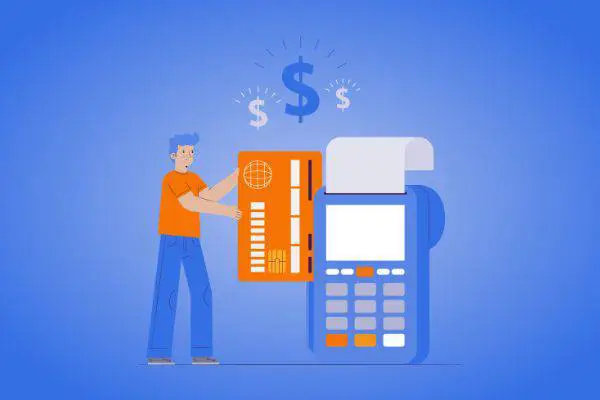
Digital wallets have fundamentally transformed how we manage money, offering a streamlined, secure, and highly efficient method for handling payments and transactions. By consolidating credit, debit, and loyalty card information into a single app, digital wallets simplify the payment process and eliminate the need for physical cards, enhancing both convenience and security.
As digital wallets evolve, they are integrating advanced features that push the boundaries of traditional payment methods. Biometric authentication, such as fingerprint and facial recognition, adds an extra layer of security, ensuring that only authorized users can access their payment information. Real-time transaction alerts provide instant notifications for every transaction, allowing users to monitor their spending and detect any unauthorized activity swiftly. Budgeting tools within digital wallets offer personalized insights and financial management capabilities, helping users track their expenses and plan their budgets more effectively.
The growing adoption of digital wallets is fueled by their ease of use and the increasing demand for contactless payment solutions. As technology advances, digital wallets are likely to incorporate even more innovative features, such as artificial intelligence for personalized financial advice, integrated loyalty programs for seamless rewards management, and cross-border transaction capabilities for global shopping convenience.
The integration of these features is reshaping the financial landscape by making transactions not only faster but also more secure and user-friendly. The future of digital wallets is set to further revolutionize how we handle our finances, offering an all-encompassing solution that caters to the evolving needs of modern consumers. As digital wallets continue to advance, they will play an increasingly central role in shaping the future of financial interactions, driving the global shift towards a more digital and cashless economy.

Tags