

/home/kueuepay/public_html/vendor/symfony/event-dispatcher/EventDispatcher.php
<?php

/*
 * This file is part of the Symfony package.
 *
 * (c) Fabien Potencier <fabien@symfony.com>
 *
 * For the full copyright and license information, please view the LICENSE
 * file that was distributed with this source code.
 */

namespace Symfony\Component\EventDispatcher;

use Psr\EventDispatcher\StoppableEventInterface;
use Symfony\Component\EventDispatcher\Debug\WrappedListener;

/**
 * The EventDispatcherInterface is the central point of Symfony's event listener system.
 *
 * Listeners are registered on the manager and events are dispatched through the
 * manager.
 *
 * @author Guilherme Blanco <guilhermeblanco@hotmail.com>
 * @author Jonathan Wage <jonwage@gmail.com>
 * @author Roman Borschel <roman@code-factory.org>
 * @author Bernhard Schussek <bschussek@gmail.com>
 * @author Fabien Potencier <fabien@symfony.com>
 * @author Jordi Boggiano <j.boggiano@seld.be>
 * @author Jordan Alliot <jordan.alliot@gmail.com>
 * @author Nicolas Grekas <p@tchwork.com>
 */
class EventDispatcher implements EventDispatcherInterface
{
    private array $listeners = [];
    private array $sorted = [];
    private array $optimized;

    public function __construct()
    {
        if (__CLASS__ === static::class) {
            $this->optimized = [];
        }
    }

    /**
     * {@inheritdoc}
     */
    public function dispatch(object $event, string $eventName = null): object
    {
        $eventName = $eventName ?? \get_class($event);

        if (isset($this->optimized)) {
            $listeners = $this->optimized[$eventName] ?? (empty($this->listeners[$eventName]) ? [] : $this->optimizeListeners($eventName));
        } else {
            $listeners = $this->getListeners($eventName);
        }

        if ($listeners) {
            $this->callListeners($listeners, $eventName, $event);
        }

        return $event;
    }

    /**
     * {@inheritdoc}
     */
    public function getListeners(string $eventName = null): array
    {
        if (null !== $eventName) {
            if (empty($this->listeners[$eventName])) {
                return [];
            }

            if (!isset($this->sorted[$eventName])) {
                $this->sortListeners($eventName);
            }

            return $this->sorted[$eventName];
        }

        foreach ($this->listeners as $eventName => $eventListeners) {
            if (!isset($this->sorted[$eventName])) {
                $this->sortListeners($eventName);
            }
        }

        return array_filter($this->sorted);
    }

    /**
     * {@inheritdoc}
     */
    public function getListenerPriority(string $eventName, callable|array $listener): ?int
    {
        if (empty($this->listeners[$eventName])) {
            return null;
        }

        if (\is_array($listener) && isset($listener[0]) && $listener[0] instanceof \Closure && 2 >= \count($listener)) {
            $listener[0] = $listener[0]();
            $listener[1] = $listener[1] ?? '__invoke';
        }

        foreach ($this->listeners[$eventName] as $priority => &$listeners) {
            foreach ($listeners as &$v) {
                if ($v !== $listener && \is_array($v) && isset($v[0]) && $v[0] instanceof \Closure && 2 >= \count($v)) {
                    $v[0] = $v[0]();
                    $v[1] = $v[1] ?? '__invoke';
                }
                if ($v === $listener || ($listener instanceof \Closure && $v == $listener)) {
                    return $priority;
                }
            }
        }

        return null;
    }

    /**
     * {@inheritdoc}
     */
    public function hasListeners(string $eventName = null): bool
    {
        if (null !== $eventName) {
            return !empty($this->listeners[$eventName]);
        }

        foreach ($this->listeners as $eventListeners) {
            if ($eventListeners) {
                return true;
            }
        }

        return false;
    }

    /**
     * {@inheritdoc}
     */
    public function addListener(string $eventName, callable|array $listener, int $priority = 0)
    {
        $this->listeners[$eventName][$priority][] = $listener;
        unset($this->sorted[$eventName], $this->optimized[$eventName]);
    }

    /**
     * {@inheritdoc}
     */
    public function removeListener(string $eventName, callable|array $listener)
    {
        if (empty($this->listeners[$eventName])) {
            return;
        }

        if (\is_array($listener) && isset($listener[0]) && $listener[0] instanceof \Closure && 2 >= \count($listener)) {
            $listener[0] = $listener[0]();
            $listener[1] = $listener[1] ?? '__invoke';
        }

        foreach ($this->listeners[$eventName] as $priority => &$listeners) {
            foreach ($listeners as $k => &$v) {
                if ($v !== $listener && \is_array($v) && isset($v[0]) && $v[0] instanceof \Closure && 2 >= \count($v)) {
                    $v[0] = $v[0]();
                    $v[1] = $v[1] ?? '__invoke';
                }
                if ($v === $listener || ($listener instanceof \Closure && $v == $listener)) {
                    unset($listeners[$k], $this->sorted[$eventName], $this->optimized[$eventName]);
                }
            }

            if (!$listeners) {
                unset($this->listeners[$eventName][$priority]);
            }
        }
    }

    /**
     * {@inheritdoc}
     */
    public function addSubscriber(EventSubscriberInterface $subscriber)
    {
        foreach ($subscriber->getSubscribedEvents() as $eventName => $params) {
            if (\is_string($params)) {
                $this->addListener($eventName, [$subscriber, $params]);
            } elseif (\is_string($params[0])) {
                $this->addListener($eventName, [$subscriber, $params[0]], $params[1] ?? 0);
            } else {
                foreach ($params as $listener) {
                    $this->addListener($eventName, [$subscriber, $listener[0]], $listener[1] ?? 0);
                }
            }
        }
    }

    /**
     * {@inheritdoc}
     */
    public function removeSubscriber(EventSubscriberInterface $subscriber)
    {
        foreach ($subscriber->getSubscribedEvents() as $eventName => $params) {
            if (\is_array($params) && \is_array($params[0])) {
                foreach ($params as $listener) {
                    $this->removeListener($eventName, [$subscriber, $listener[0]]);
                }
            } else {
                $this->removeListener($eventName, [$subscriber, \is_string($params) ? $params : $params[0]]);
            }
        }
    }

    /**
     * Triggers the listeners of an event.
     *
     * This method can be overridden to add functionality that is executed
     * for each listener.
     *
     * @param callable[] $listeners The event listeners
     * @param string     $eventName The name of the event to dispatch
     * @param object     $event     The event object to pass to the event handlers/listeners
     */
    protected function callListeners(iterable $listeners, string $eventName, object $event)
    {
        $stoppable = $event instanceof StoppableEventInterface;

        foreach ($listeners as $listener) {
            if ($stoppable && $event->isPropagationStopped()) {
                break;
            }
            $listener($event, $eventName, $this);
        }
    }

    /**
     * Sorts the internal list of listeners for the given event by priority.
     */
    private function sortListeners(string $eventName)
    {
        krsort($this->listeners[$eventName]);
        $this->sorted[$eventName] = [];

        foreach ($this->listeners[$eventName] as &$listeners) {
            foreach ($listeners as $k => &$listener) {
                if (\is_array($listener) && isset($listener[0]) && $listener[0] instanceof \Closure && 2 >= \count($listener)) {
                    $listener[0] = $listener[0]();
                    $listener[1] = $listener[1] ?? '__invoke';
                }
                $this->sorted[$eventName][] = $listener;
            }
        }
    }

    /**
     * Optimizes the internal list of listeners for the given event by priority.
     */
    private function optimizeListeners(string $eventName): array
    {
        krsort($this->listeners[$eventName]);
        $this->optimized[$eventName] = [];

        foreach ($this->listeners[$eventName] as &$listeners) {
            foreach ($listeners as &$listener) {
                $closure = &$this->optimized[$eventName][];
                if (\is_array($listener) && isset($listener[0]) && $listener[0] instanceof \Closure && 2 >= \count($listener)) {
                    $closure = static function (...$args) use (&$listener, &$closure) {
                        if ($listener[0] instanceof \Closure) {
                            $listener[0] = $listener[0]();
                            $listener[1] = $listener[1] ?? '__invoke';
                        }
                        ($closure = \Closure::fromCallable($listener))(...$args);
                    };
                } else {
                    $closure = $listener instanceof \Closure || $listener instanceof WrappedListener ? $listener : \Closure::fromCallable($listener);
                }
            }
        }

        return $this->optimized[$eventName];
    }
}
Journal Details
top
blog

The Future of Digital Wallets: How Mobile Payments are Shaping the Financial Landscape

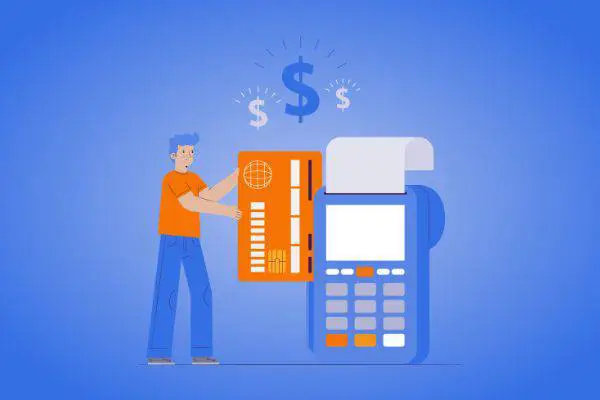
Digital wallets have fundamentally transformed how we manage money, offering a streamlined, secure, and highly efficient method for handling payments and transactions. By consolidating credit, debit, and loyalty card information into a single app, digital wallets simplify the payment process and eliminate the need for physical cards, enhancing both convenience and security.
As digital wallets evolve, they are integrating advanced features that push the boundaries of traditional payment methods. Biometric authentication, such as fingerprint and facial recognition, adds an extra layer of security, ensuring that only authorized users can access their payment information. Real-time transaction alerts provide instant notifications for every transaction, allowing users to monitor their spending and detect any unauthorized activity swiftly. Budgeting tools within digital wallets offer personalized insights and financial management capabilities, helping users track their expenses and plan their budgets more effectively.
The growing adoption of digital wallets is fueled by their ease of use and the increasing demand for contactless payment solutions. As technology advances, digital wallets are likely to incorporate even more innovative features, such as artificial intelligence for personalized financial advice, integrated loyalty programs for seamless rewards management, and cross-border transaction capabilities for global shopping convenience.
The integration of these features is reshaping the financial landscape by making transactions not only faster but also more secure and user-friendly. The future of digital wallets is set to further revolutionize how we handle our finances, offering an all-encompassing solution that caters to the evolving needs of modern consumers. As digital wallets continue to advance, they will play an increasingly central role in shaping the future of financial interactions, driving the global shift towards a more digital and cashless economy.

Tags